Virtual Exhibits
Joseph Knap's Journals
From the mundane to the frightening, such small mentions and business jots in the journals and papers of Stratford mariner, storekeeper, and farmer, Joseph Knap, offer a fresh view of western Connecticut's coastal life just prior to, during, and shortly after the American Revolution.
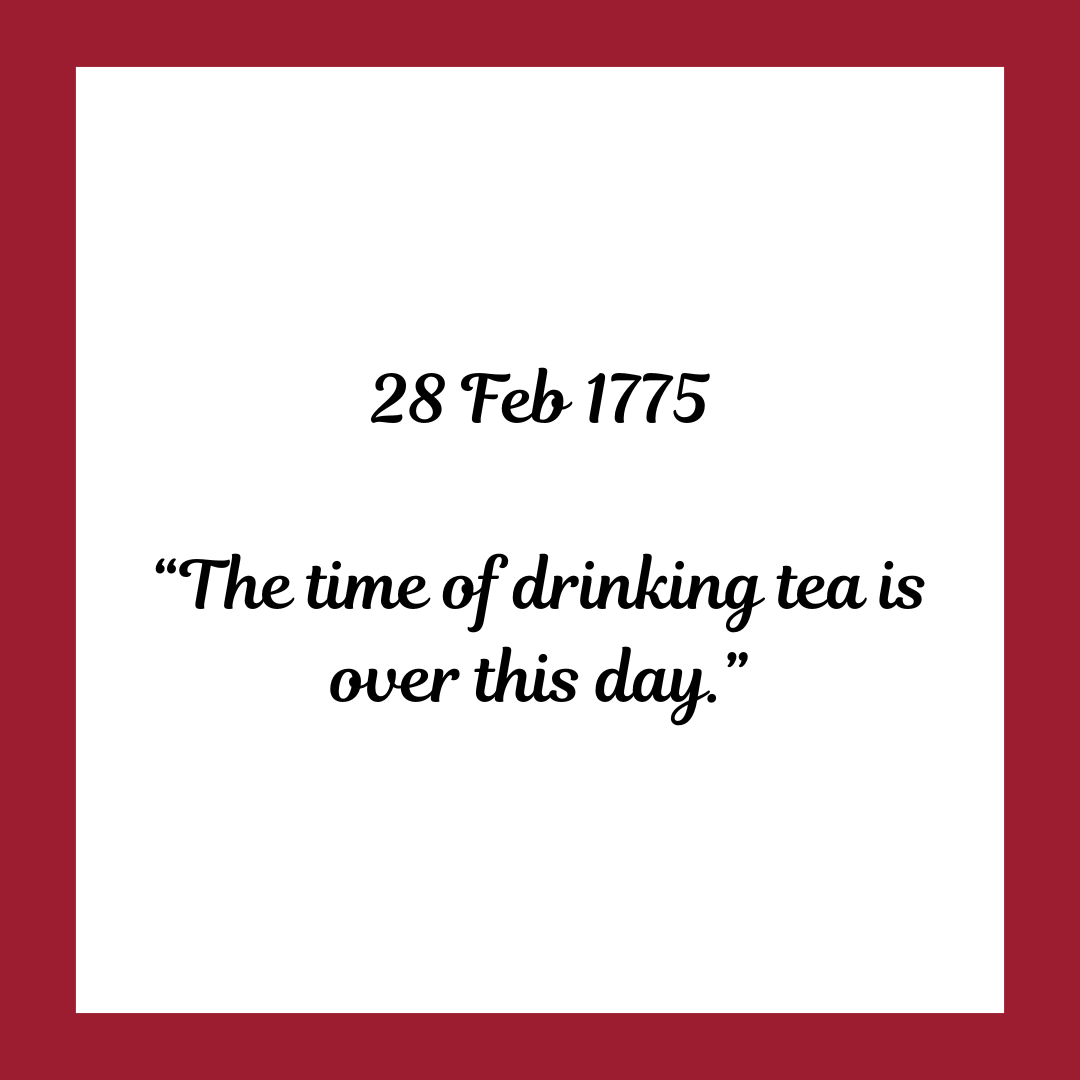
For a coastal trader and storekeeper, that warming brew was the least of Knap’s worries. Come morning, Revolution would be on his doorstep. The Continental Congress had ruled, “After the first day of March [1775] we will not purchase or use any East India tea whatsoever; nor will we purchase or use those [British] goods, wares, or merchandise we have agreed not to import.”
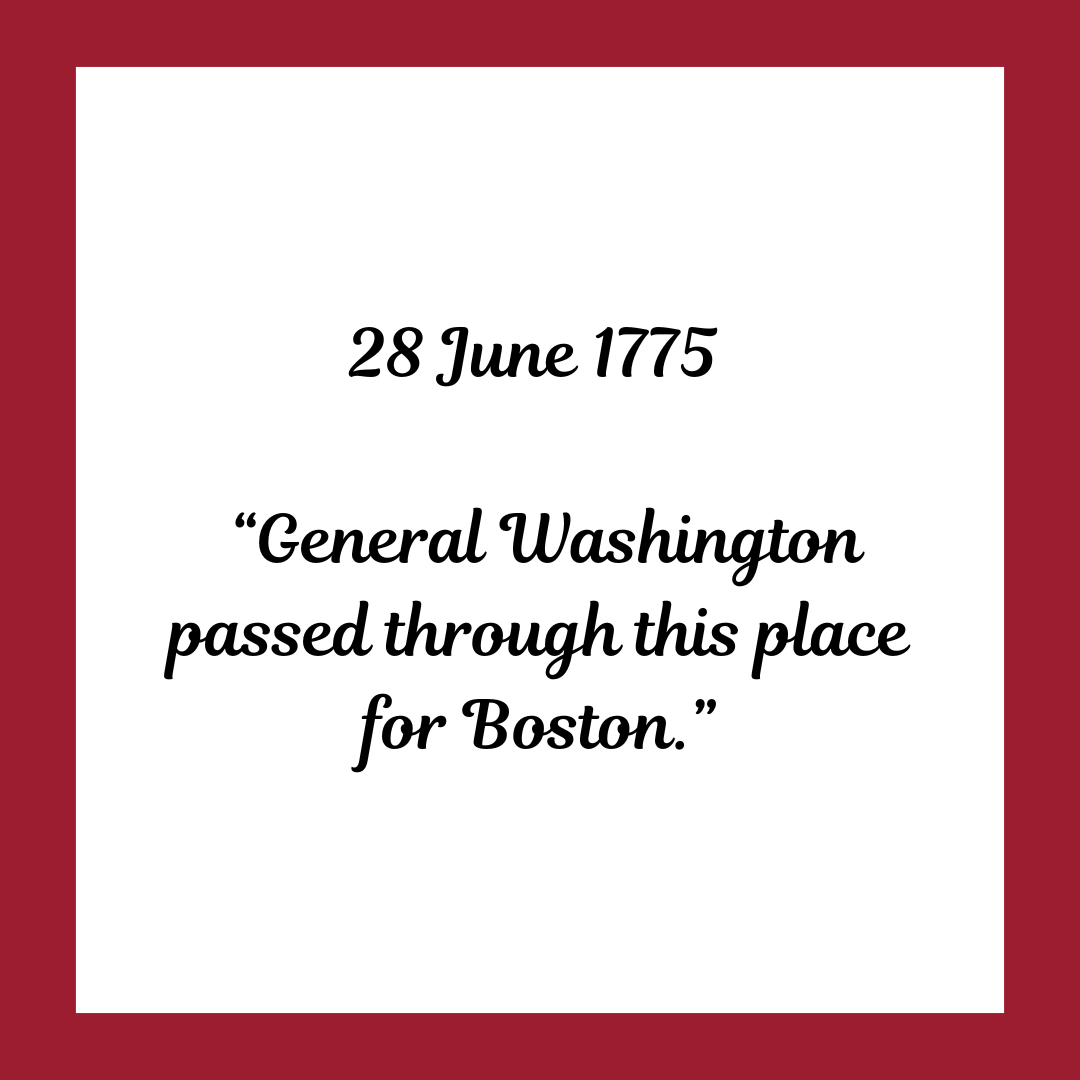
Heading for command of the new Continental Army, Washington was met
by cheering crowds in towns along the way and eagerly welcomed when he stopped for lodging or meals or fresh horses. It remains unknown if one or both latter needs caused him to pause in Stratford before hurrying on to New Haven that day.
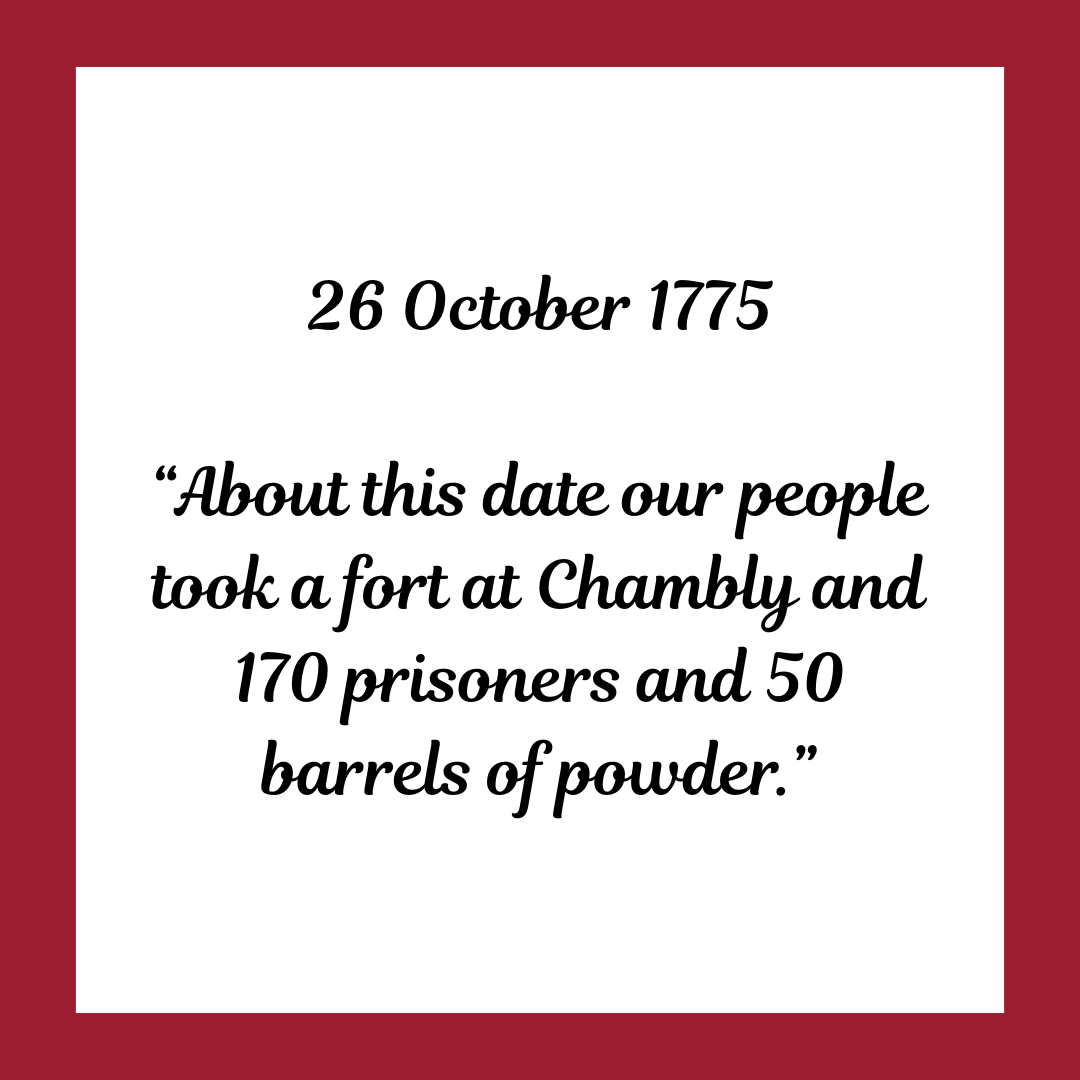
When noting that action – a part of Gen. Benedict Arnold’s expedition against the British at Quebec – perhaps Knap was recalling the day Stratford’s volunteers knelt in parson Robert Ross’ dooryard for his blessing before heading northward.
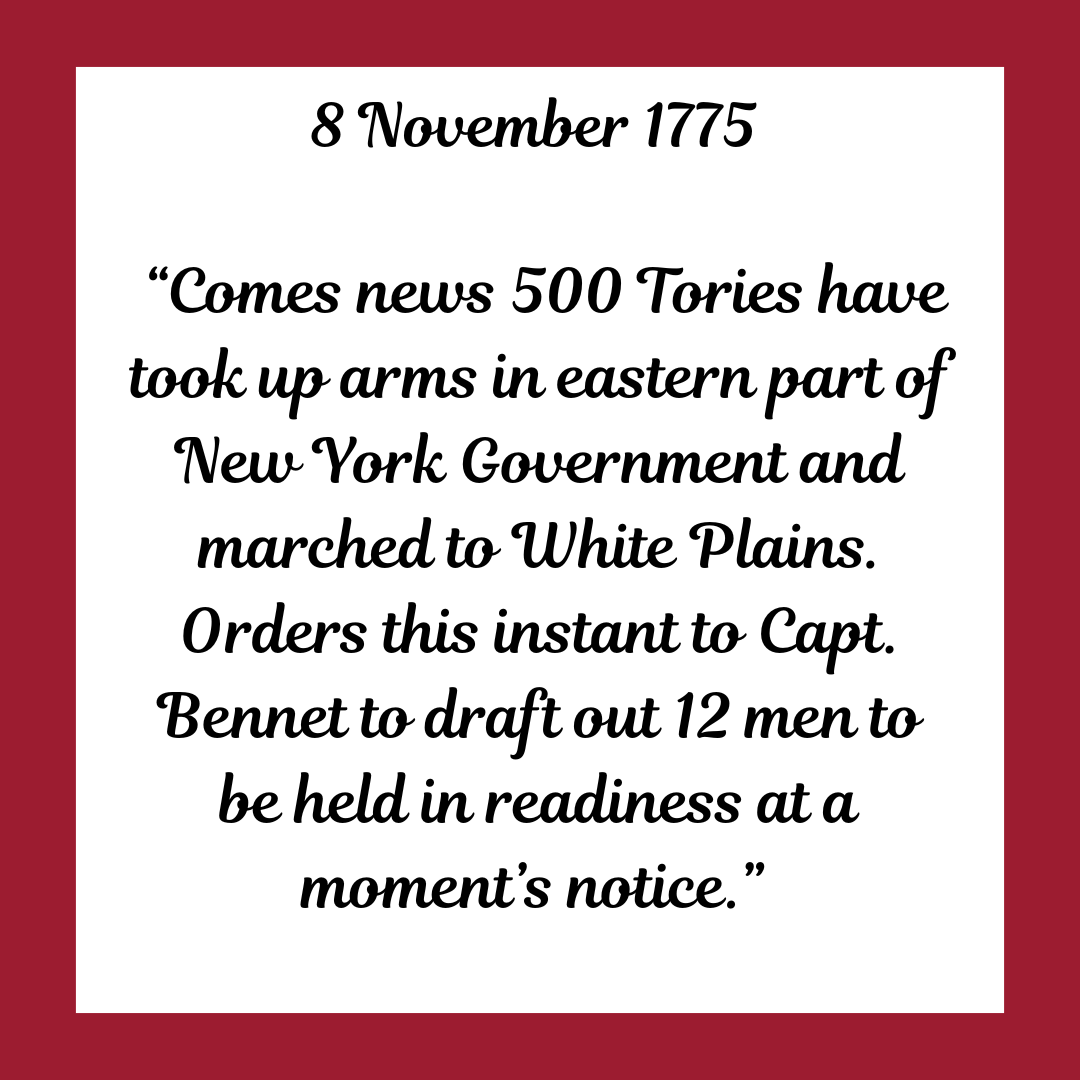
In December 1774, a newly formed Continental Congress turned years of contention between Rebels and British loyalists (Tories) into civil war. Along with banning certain imported British goods and manufactures, Congress authorized formation of committees “in every county, city, and town…to inspect conduct of all persons and publicly expose violators as enemies of American Liberty.” What followed tore many communities and towns apart, especially in Connecticut’s
traditionally conservative Fairfield County.
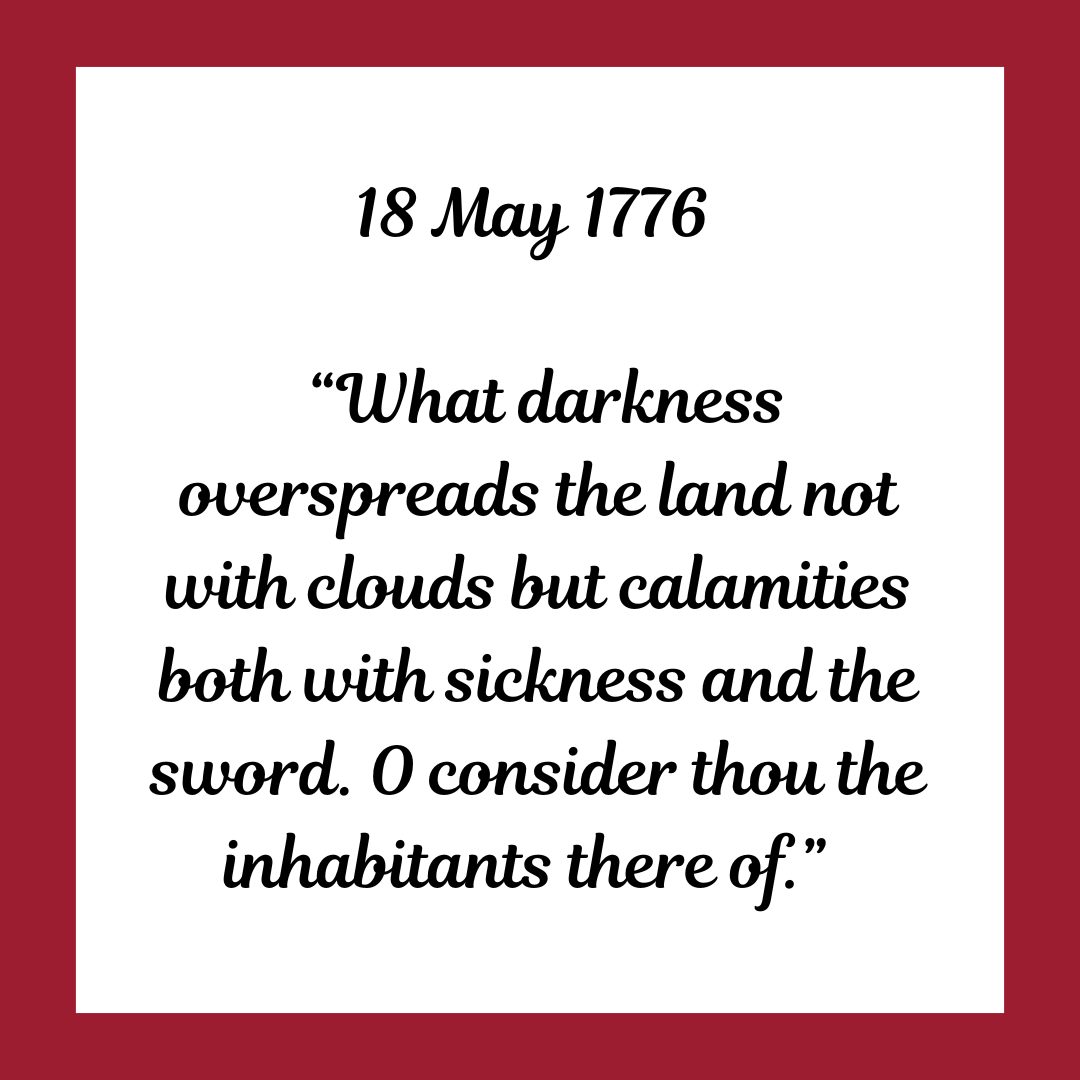
What prompted Knap’s anguished words at that time remains unknown, but their location on a small, separate scrap of paper was true to form. With rare exception, his kept journal entries dry, devoid of emotion or even a word of viewpoint. Personal matters and feelings were private.
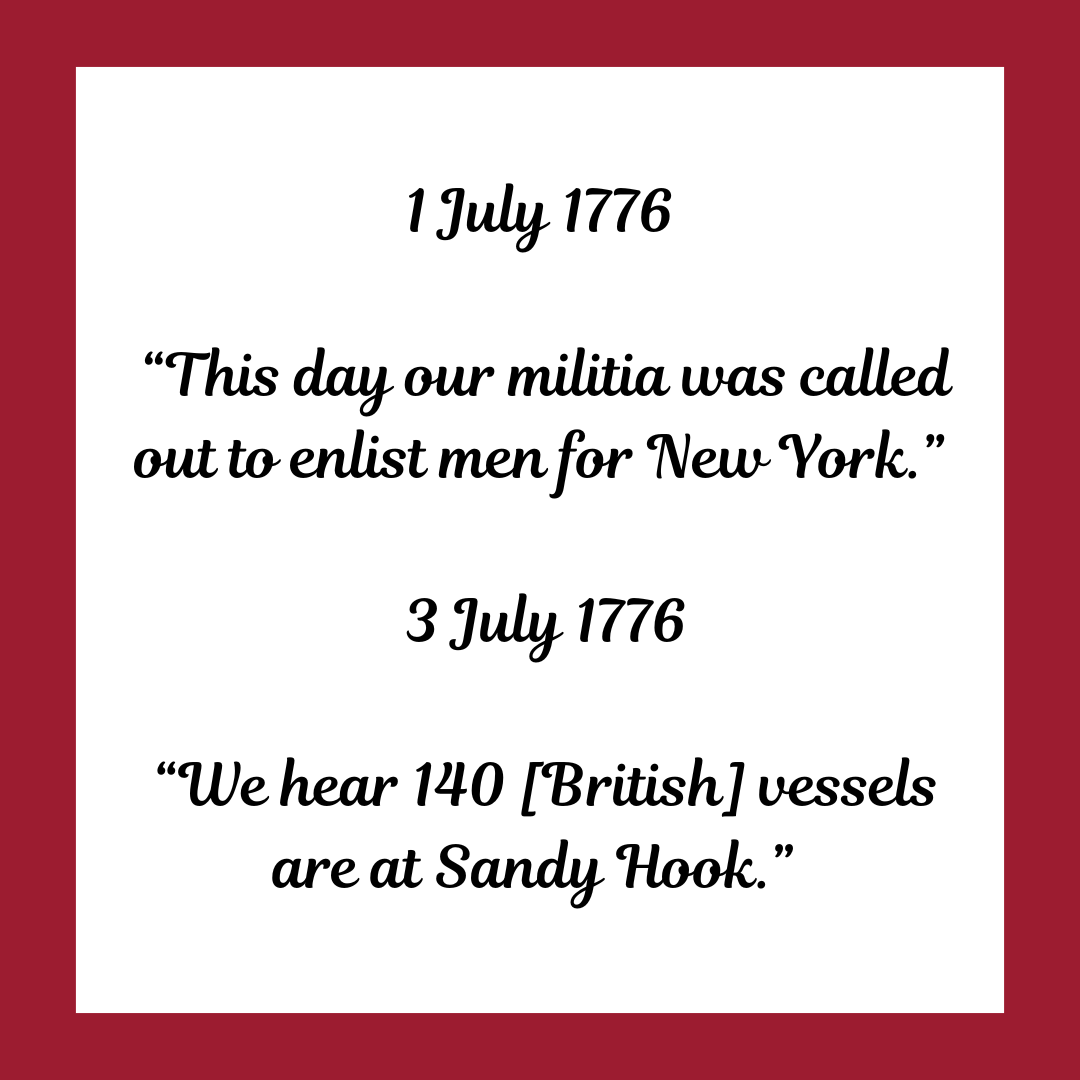
Ten days later more than 200 of them nearly filled New York’s lower bay. Of their 32,000 troops aboard, 24,000 were fit for duty. On shore, General Washington’s army of 28,000 was down by 9,000 due to much illness and other causes. He had no naval defense.
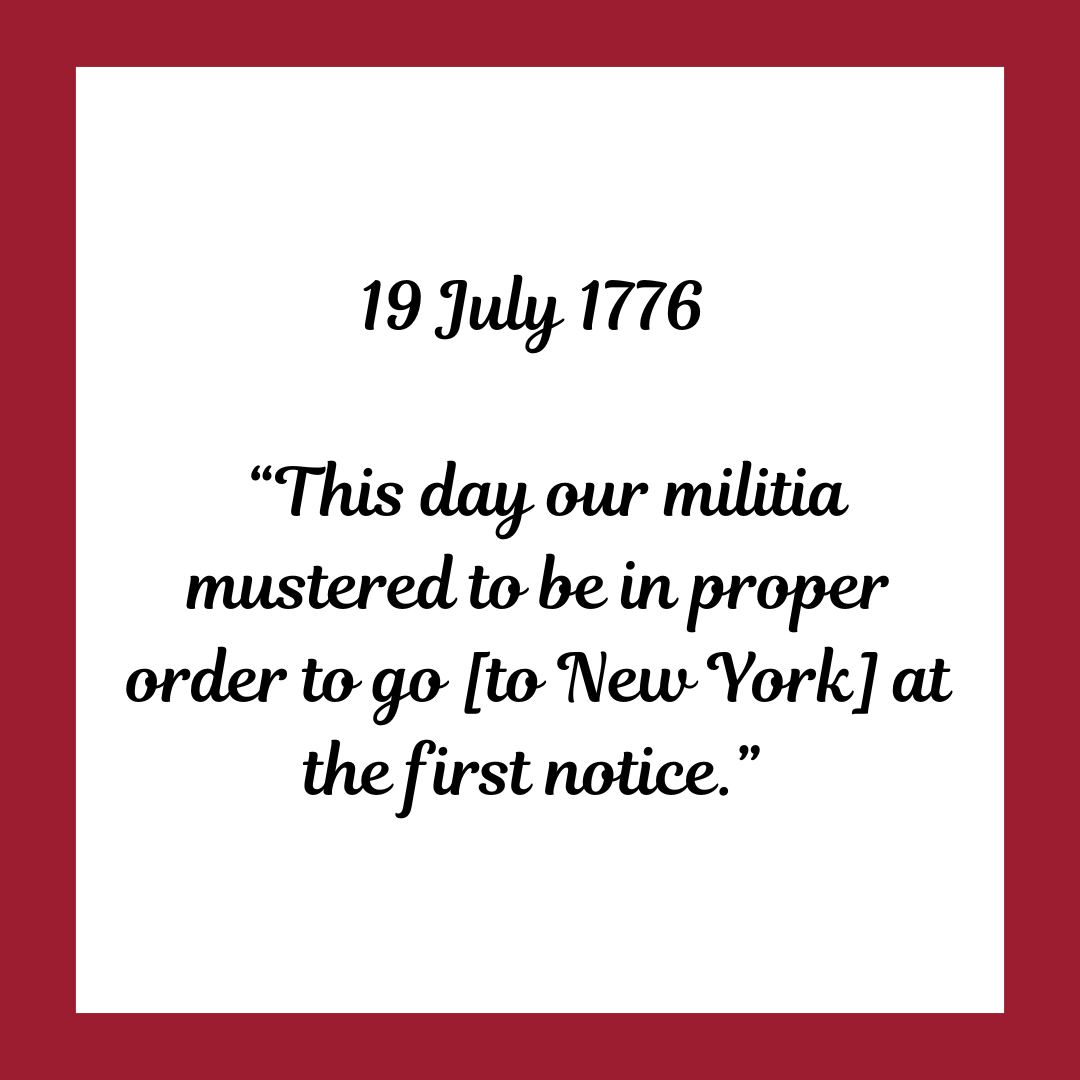
For whatever reason, Knap never mentioned the Declaration of Independence, its signing by Congress on July 4th, it’s reading to Washington troops and the public in New York City on the 9th, or even the following October when Connecticut’s General Assembly finally declared their approval.
With much absence of qualified militiamen and concern for better preparedness, Governor Trumbull directed men in every town who were exempt from military duty to form themselves into companies.
Knap was with so-called Watch and Warders who alerted authorities to approaching enemy vessels and boats. Tension was high now that the western Sound was under British control and they were developing a major supply depot at Huntington Harbor for their New York City troops.
Perhaps Knap errored as to the date because, aside from some skirmishes near White Plains, NY, that day, such continuing heavy fire would have been heard from there on the 28th when Washington’s Continental Army took its brave stand against the British Army before being forced to retreat.
The previous afternoon those vessels with 50 whaleboats and 500 Connecticut and New York militia were heading to attack a British outpost on Long Island when a storm forced them off the Sound. With their camps nearby, Knap may have learned of their mission but if not, he likely heard much detail later of its discouraging failure - possibly from eyewitness, Caleb Brewster.
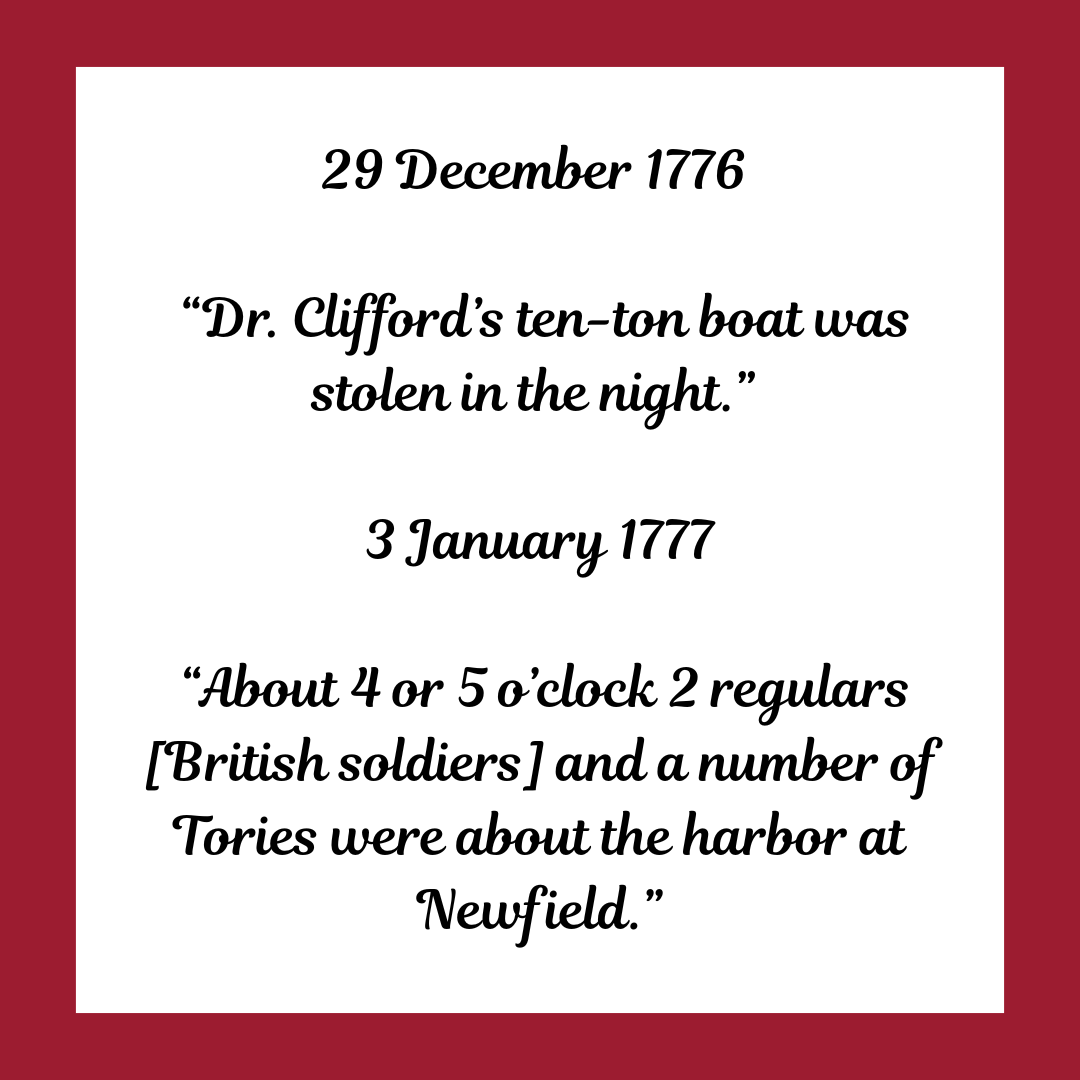
Having lost nine vessels as a result of local Tories’ clandestine contacts with patrolling British sloops, Stratford officials were seeking the Governor’s help. By late spring, Newfield Harbor had two small cannons and State-paid guards.
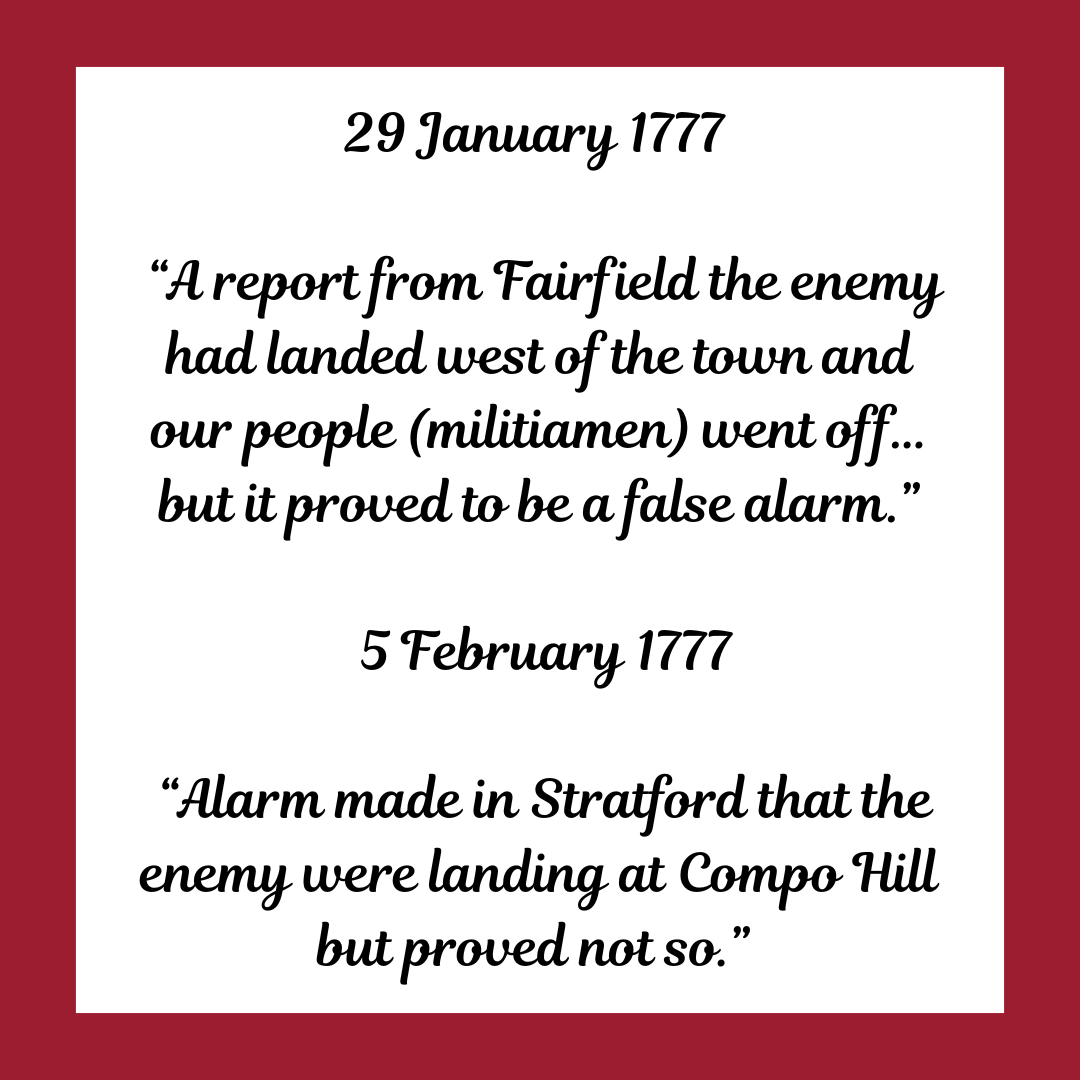
Towns’ militia were under stress all along the western coast due not only to British naval ships’ foraging and stealing men for recruits, but also
increasing activity of Tory refugees from across the Sound. By then, about a thousand Tories refugees including families were camped in the Huntington-Lloyds Neck area and many, if not most, were living hand-to-mouth and ill-clothed.
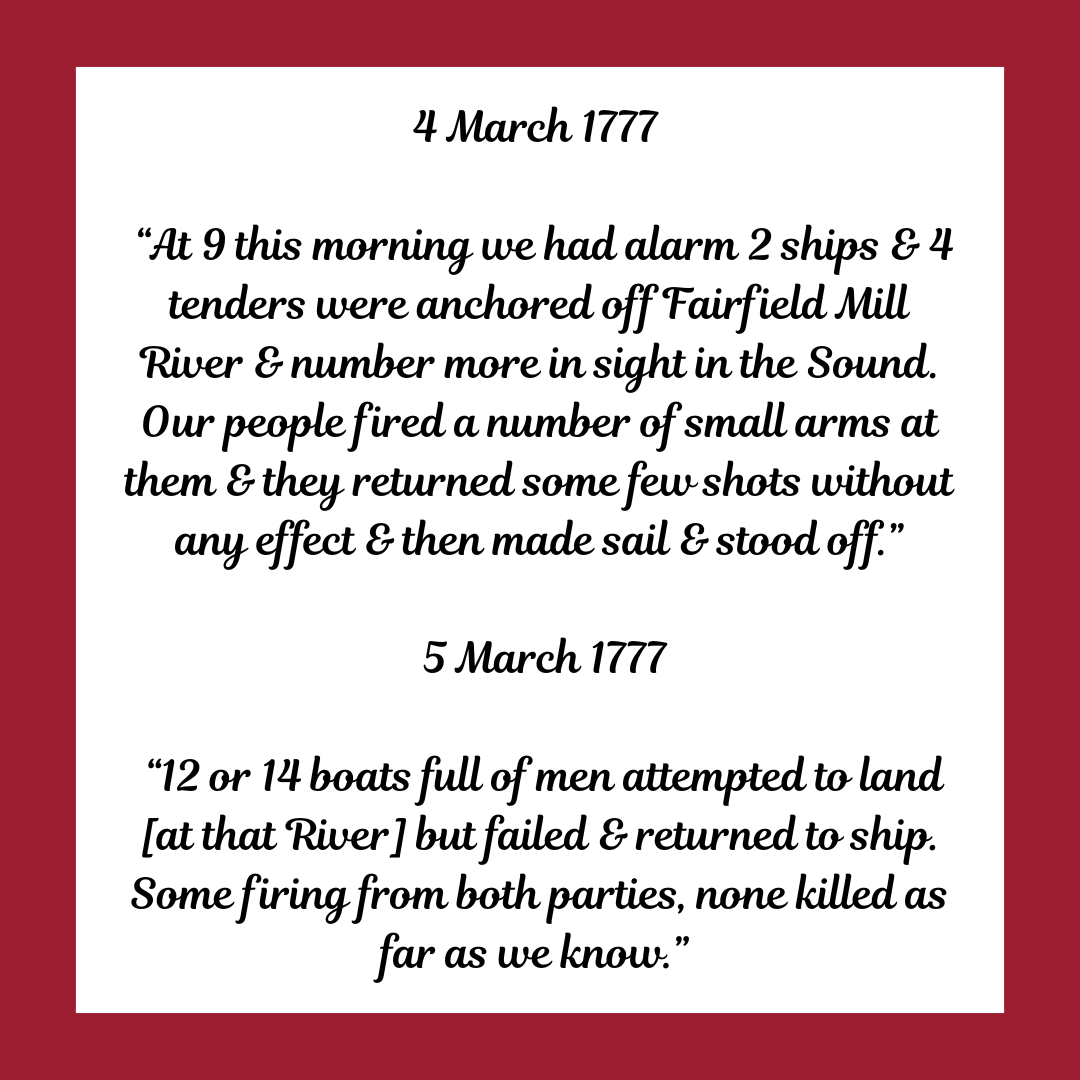
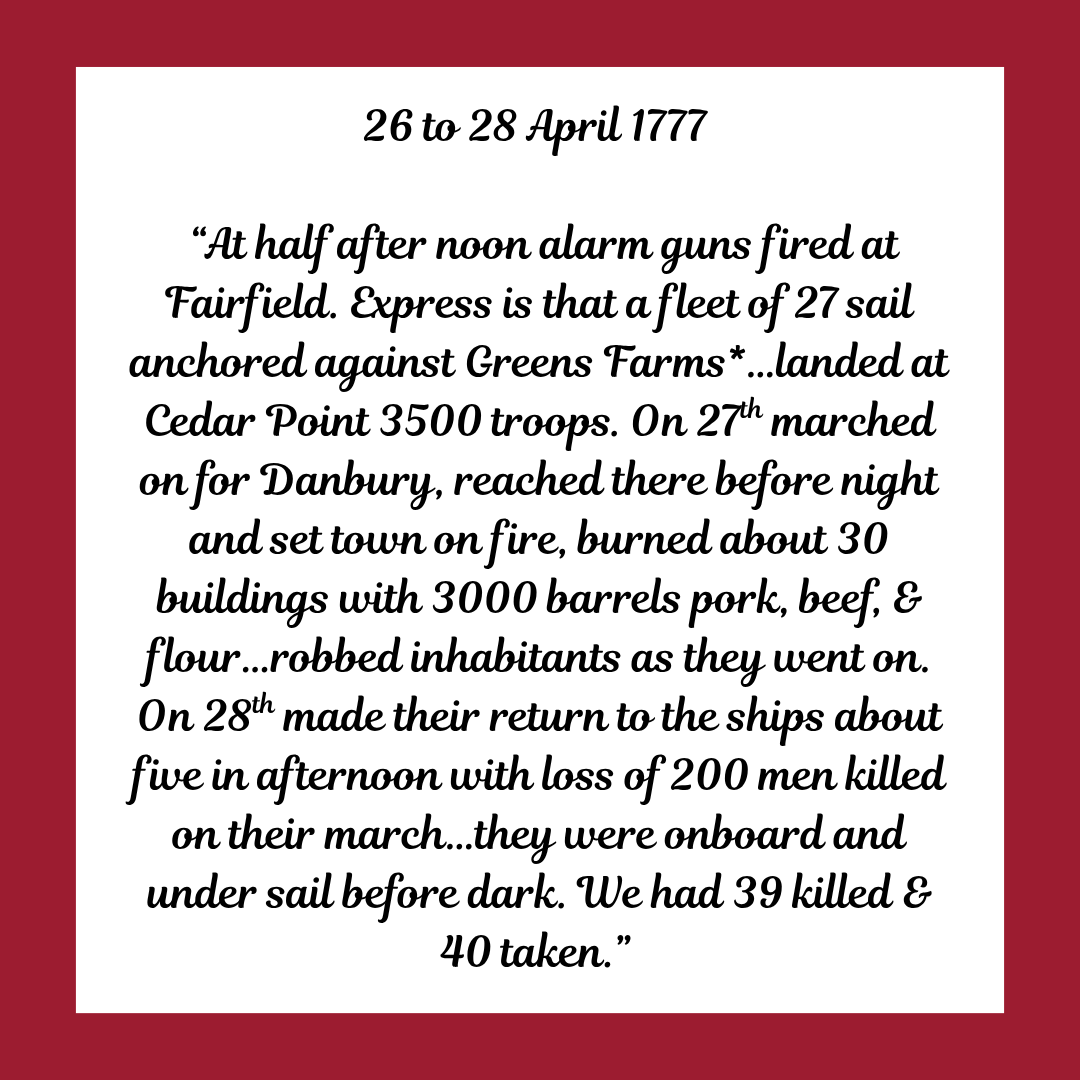
*Now Westport. Given the shock of that first invasion of Connecticut, Knap’s dry reporting is indeed remarkable.
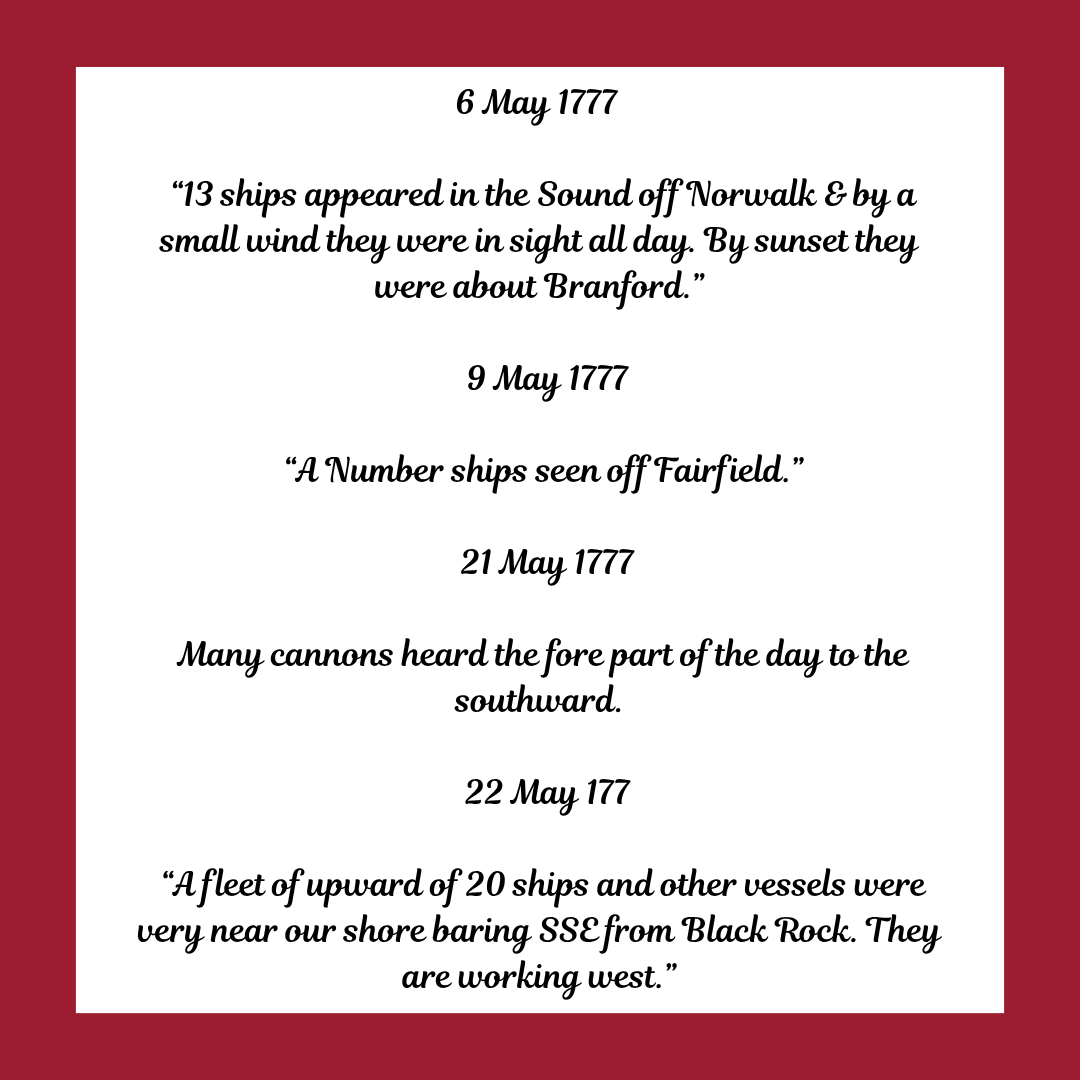
Apprehension following the Danbury raid must have been exhausting.
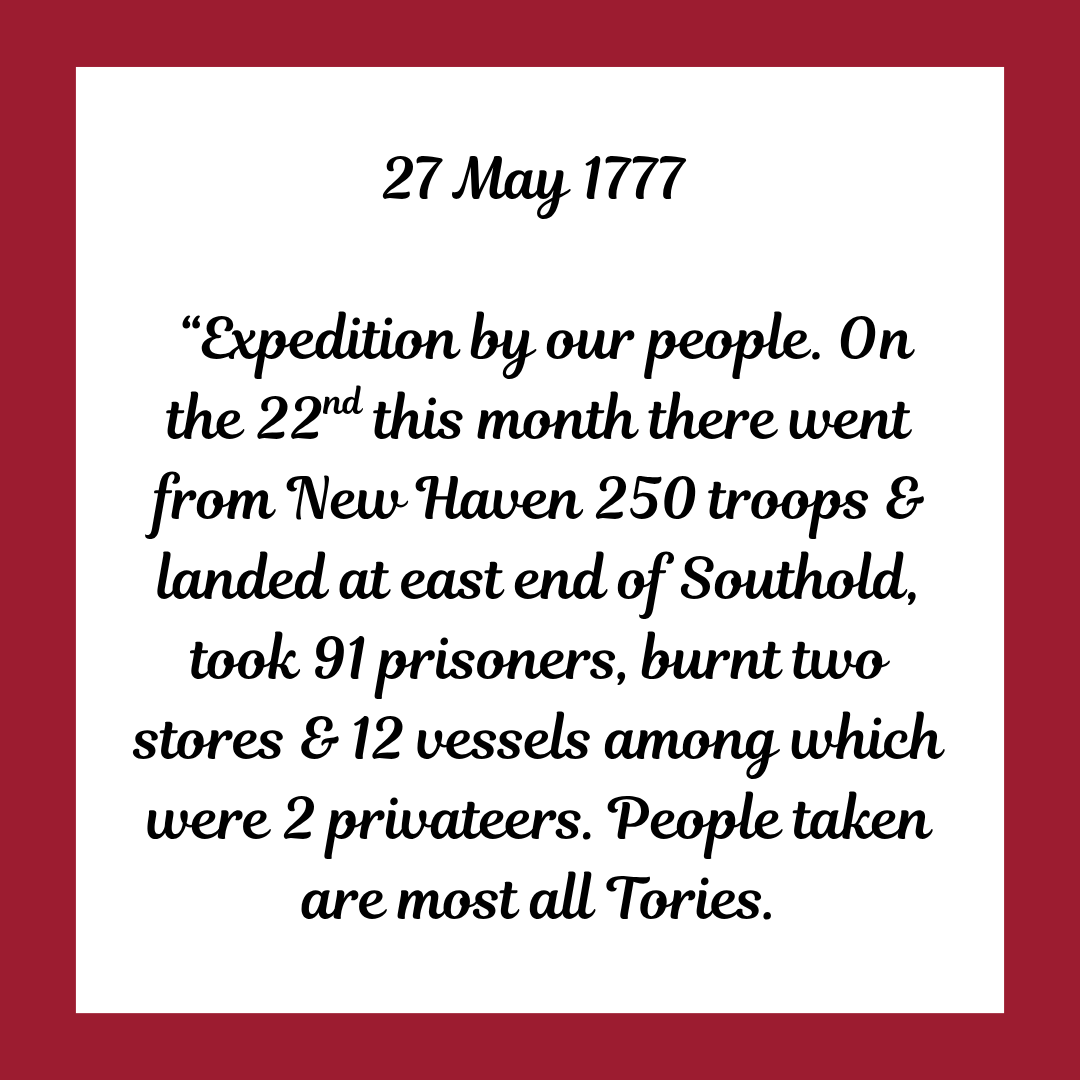
Later known as Meigs’s Raid it was approved by Washington and led by daring Col. Return Jonathan Meigs of Middletown, Connecticut as payback of sorts for the Danbury raid.
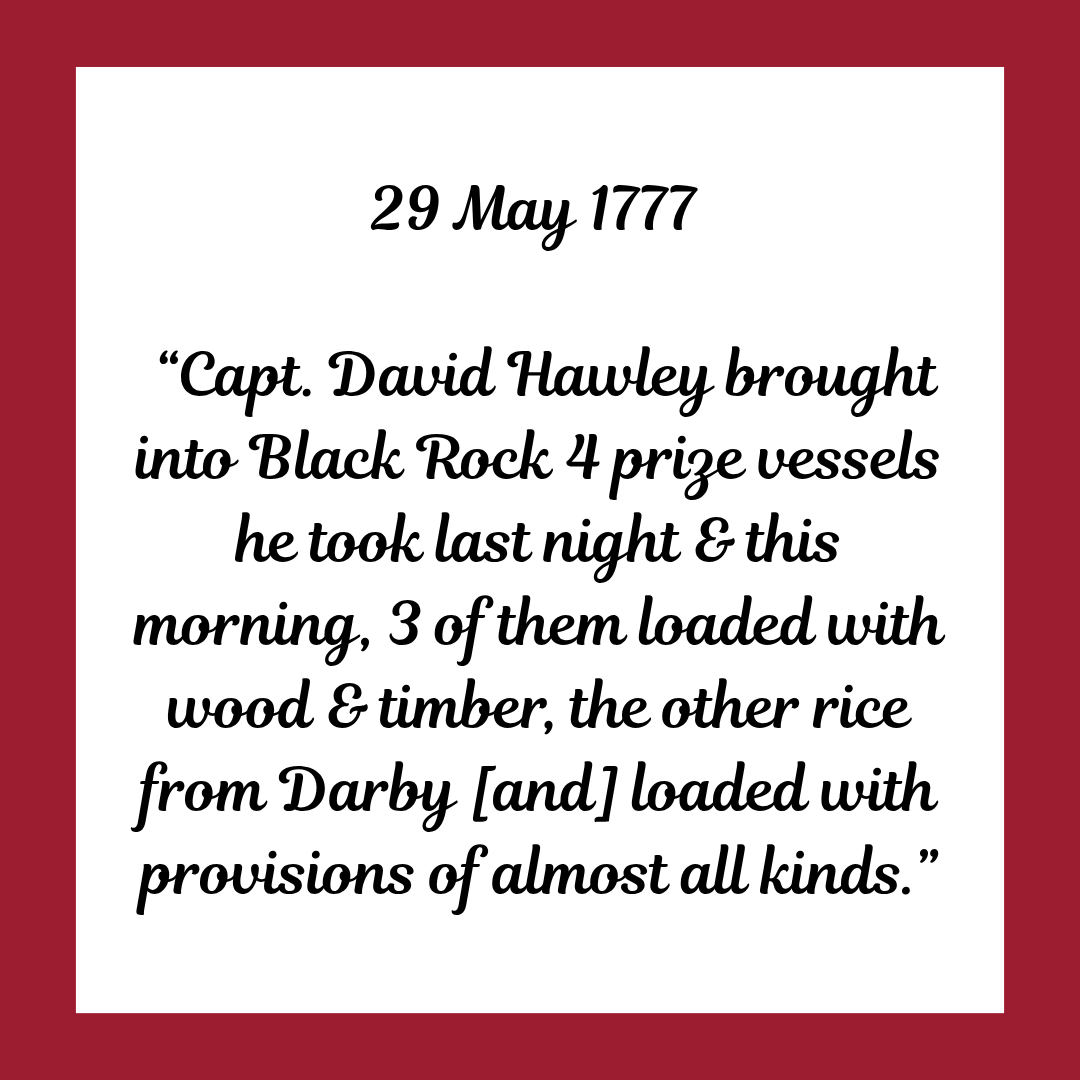
Knap must have had a big smile as he wrote concerning his long-time friend and shipmate’s accomplishment. Hawley would become legendary for his numerous heroic captures and daring destructions of enemy ships supplying New York’s British Headquarters via Long Island Sound.
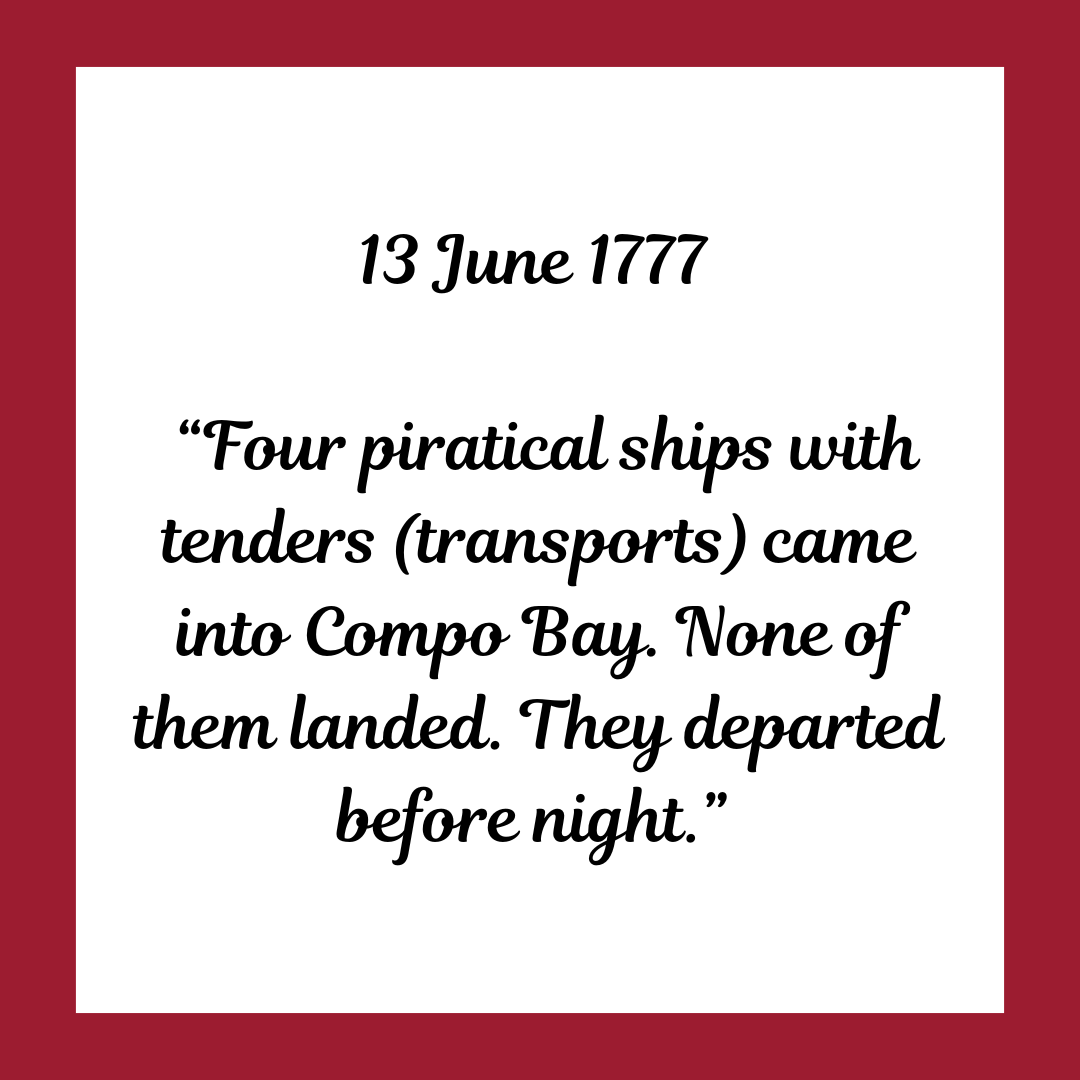
That Knap would abandon reporting discipline to permit viewpoint regarding an apparently harmless event seems odd. Perhaps it reflected his more serious concerns at the time. Outbreaks of smallpox were devastating many towns in New England and attempts to inoculate the public under government regulation were beginning. At times, however, panic, self-interest, and even angry mobs disrupted those efforts. Such was the case in Stratford that June until brought under control later by General Silliman.
Denying and/or reducing British access to the Island’s abundant food, cattle, fodder, and especially firewood was and would continue to be goal number one but results of this raid under General S. H. Parsons were a great disappointment.
A sense of relief accompanied such news. British intent to split the colonies by taking control of the Hudson River had failed with American capture of its Canadian waterways and Washington’s crucial supply line with Connecticut remained intact.
Purpose of their visit remains unknown but they might have been part of preparations for a three-prong raid on Long Island under General Samuel Parsons which was attempted a week and a half later – unfortunately with even more disastrous results.
The night before, Tory whaleboat men had spotted a loaded vessel below the mill in the Good Wives River at Middlesex (now Darien) and reported it at Huntington. Next day a British brig captured the vessel and its tons of flour- a great loss of vital supply destined for Washington’s army.
Normal routine that day would have been impossible for the Knaps and anyone else living along the Boston Post Road as that impressive force with wagons and cannon and gun carriages rumbled by. Washington intended to drive the British from Rhode Island at Newport with aid from the newly arrived French fleet .
Regrettably, Washington’s efforts on the battlefield met with much bad luck and he was forced to withdraw.
It is unknown if Knap had official assignment for constant Sound watching but it must have been stressful. However, his several dozen other notices of enemy ship traffic in addition to raiding events are a valuable resource for historians.
For some time, the British had been building ships and assembling forces at the eastern end of Long Island and Governor Trumbull had alerted coastwide militia in fear of an imminent raid on New London. However, new and reassuring intelligence shortly caused call-up cancellation.
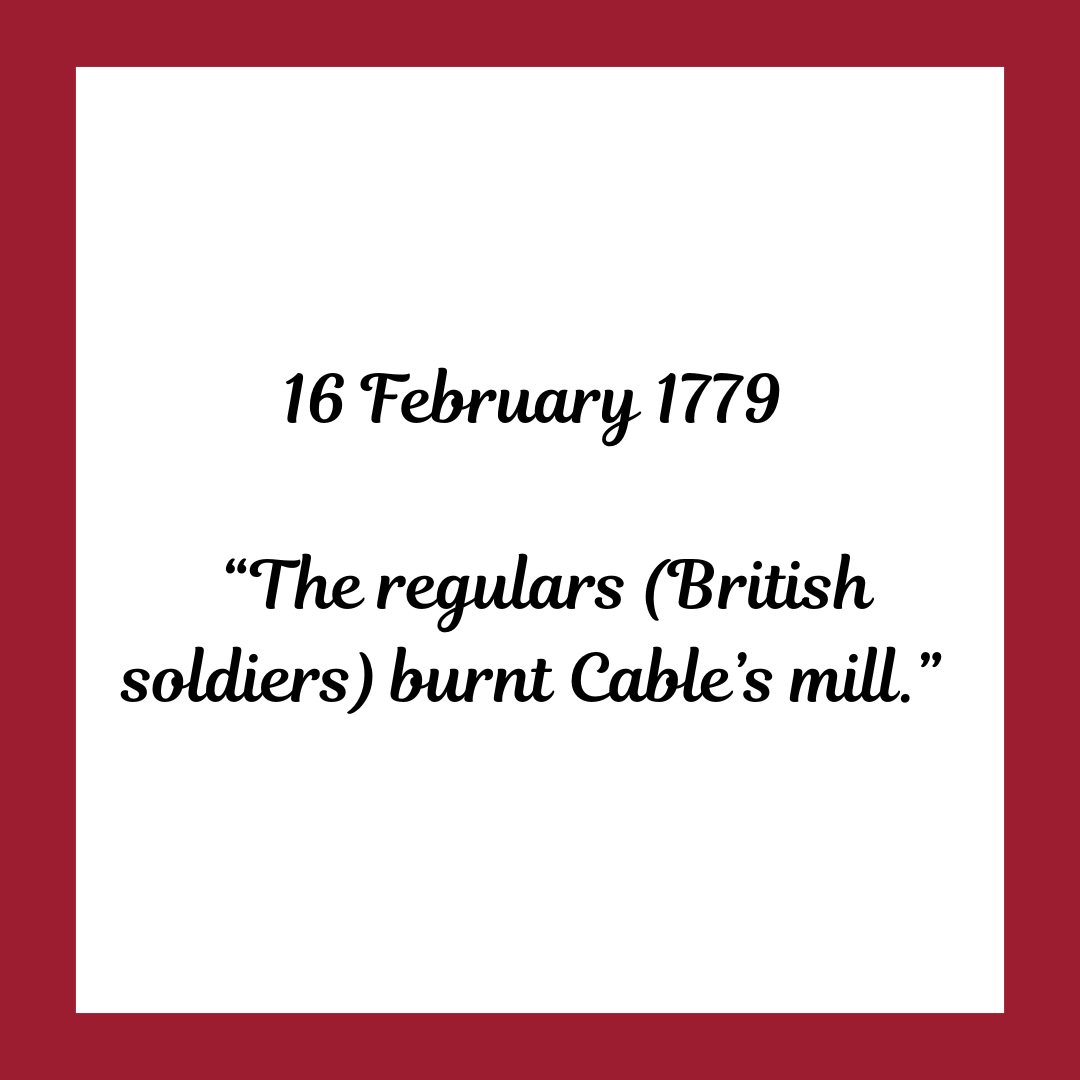
Occurring at Green’s Farms, the raiders also burned a store, plundered several homes and stole tons of hay. Alarmed by increasing raids, some County coastal towns were jointly petitioning the Governor and General Assembly for 60 permanently stationed troops at each of the five towns. On paper the Assembly approved but with bureaucrat delay and sudden unforeseen circumstances their order became sidelined.
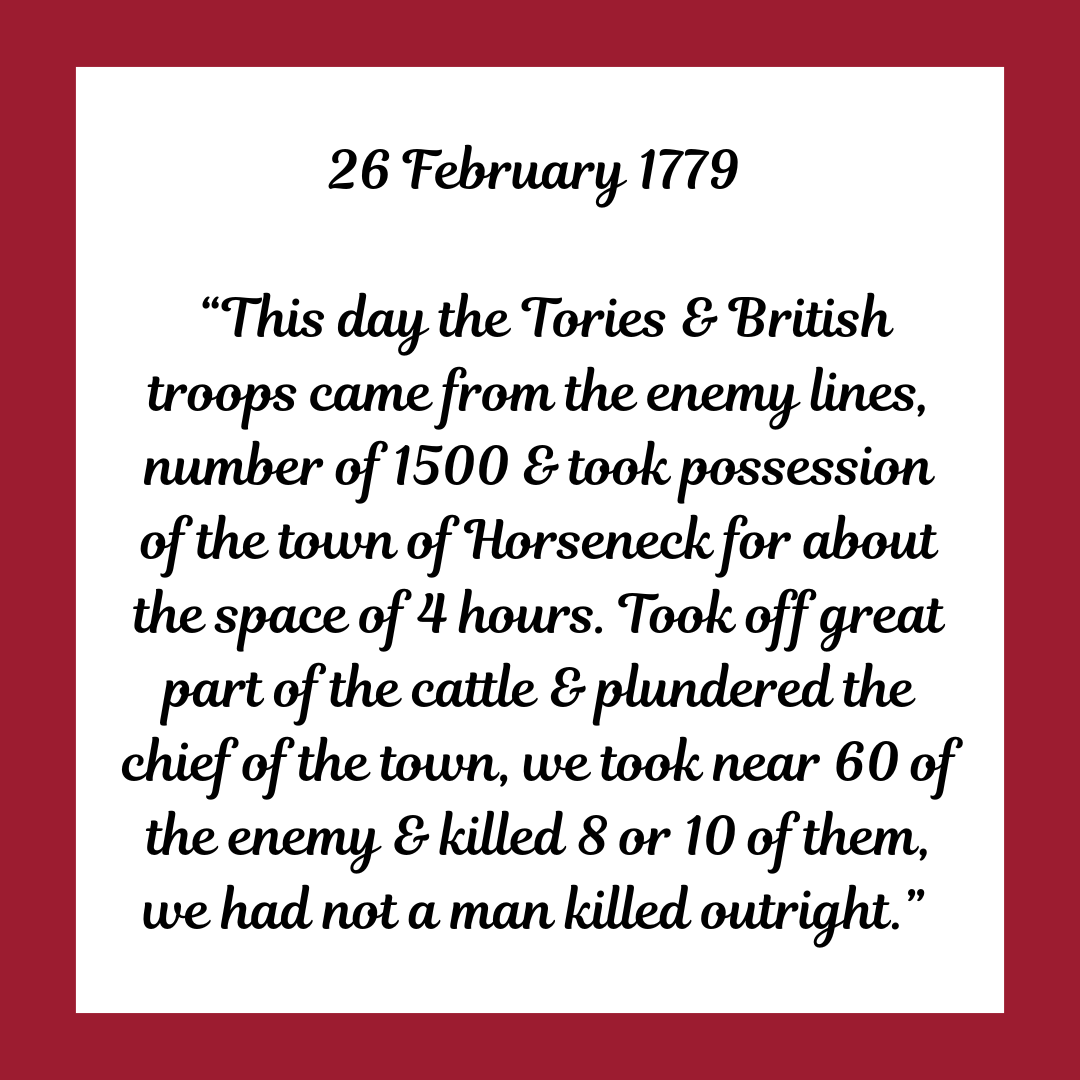
Totally unexpected, Gen. William Tryon’s early morning raid devastated the small village and greatly damaging Greenwich. For months, rumors had been spreading that Britain intended increased and greater damage to coastal Connecticut in 1779. Some must have been wondering if that was the start of it.
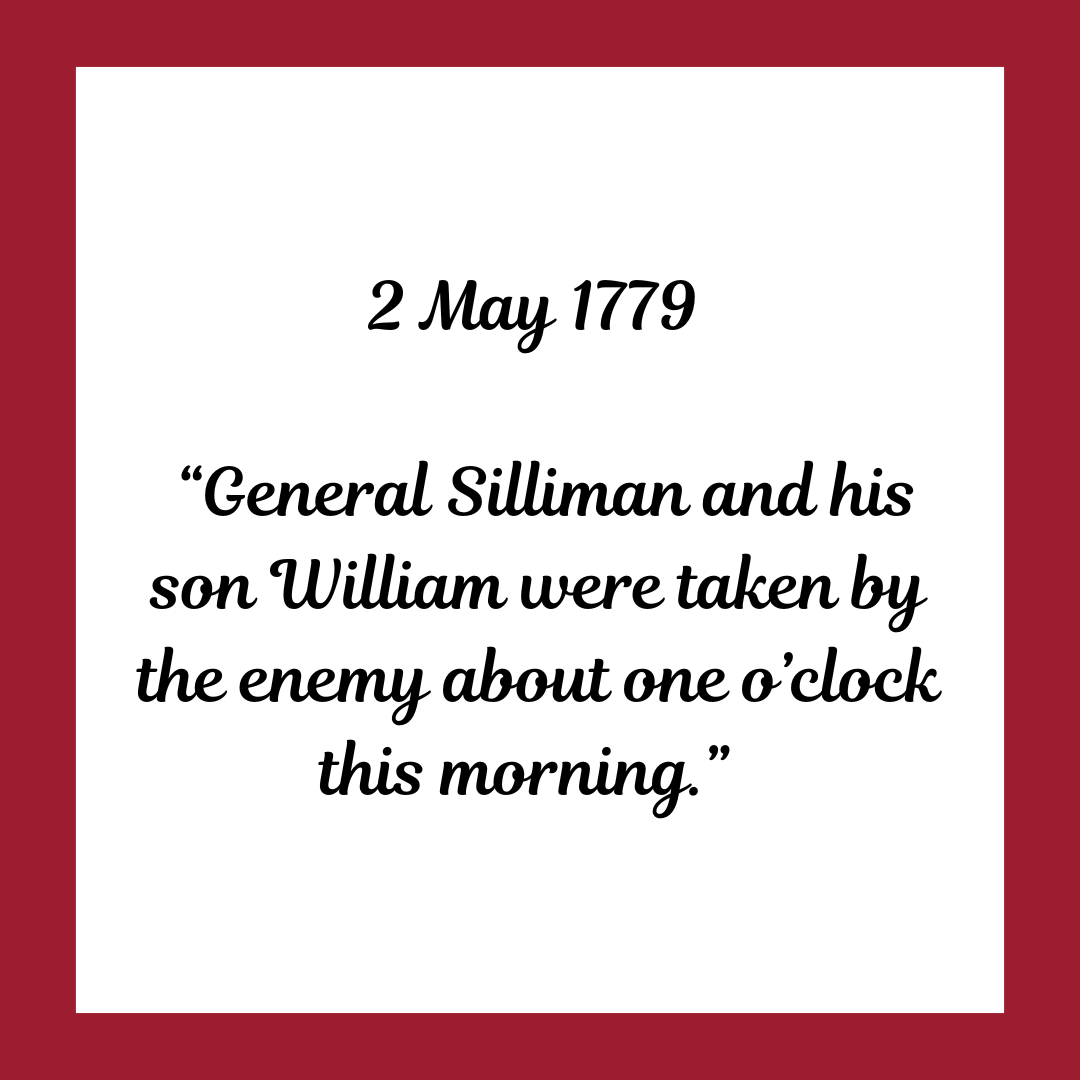
Their taking was not by chance during a plundering raid but specifically ordered by British officials to weaken coastal defense by capturing Fairfield County’s head of militia. General Samuel Parsons, head of State militia, was also a target but raiders failed to follow through.
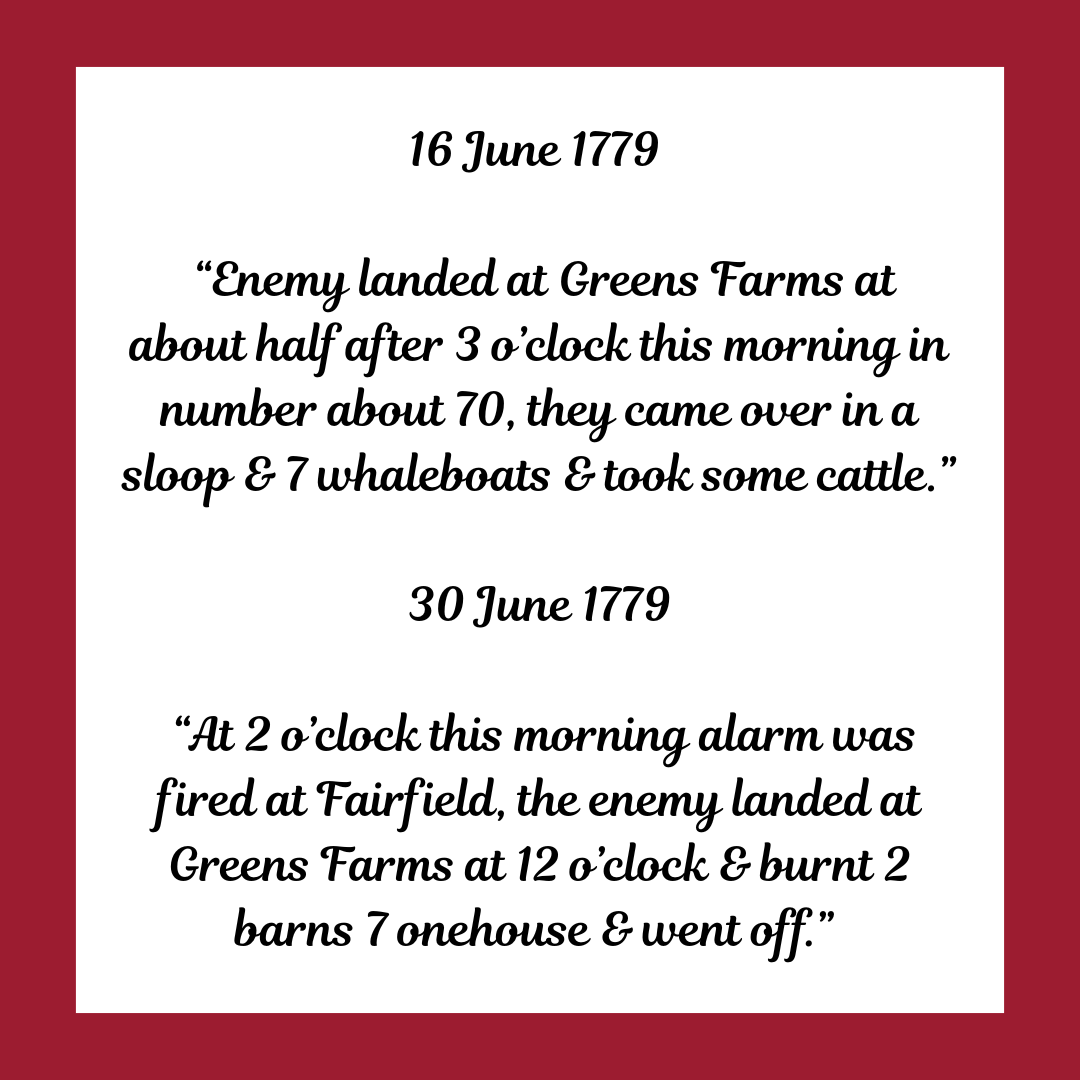
By that time, several regular Loyalist units had been formed among the Tories and were operating out of the Huntington-Lloyd’s Neck-Oyster Bay area.
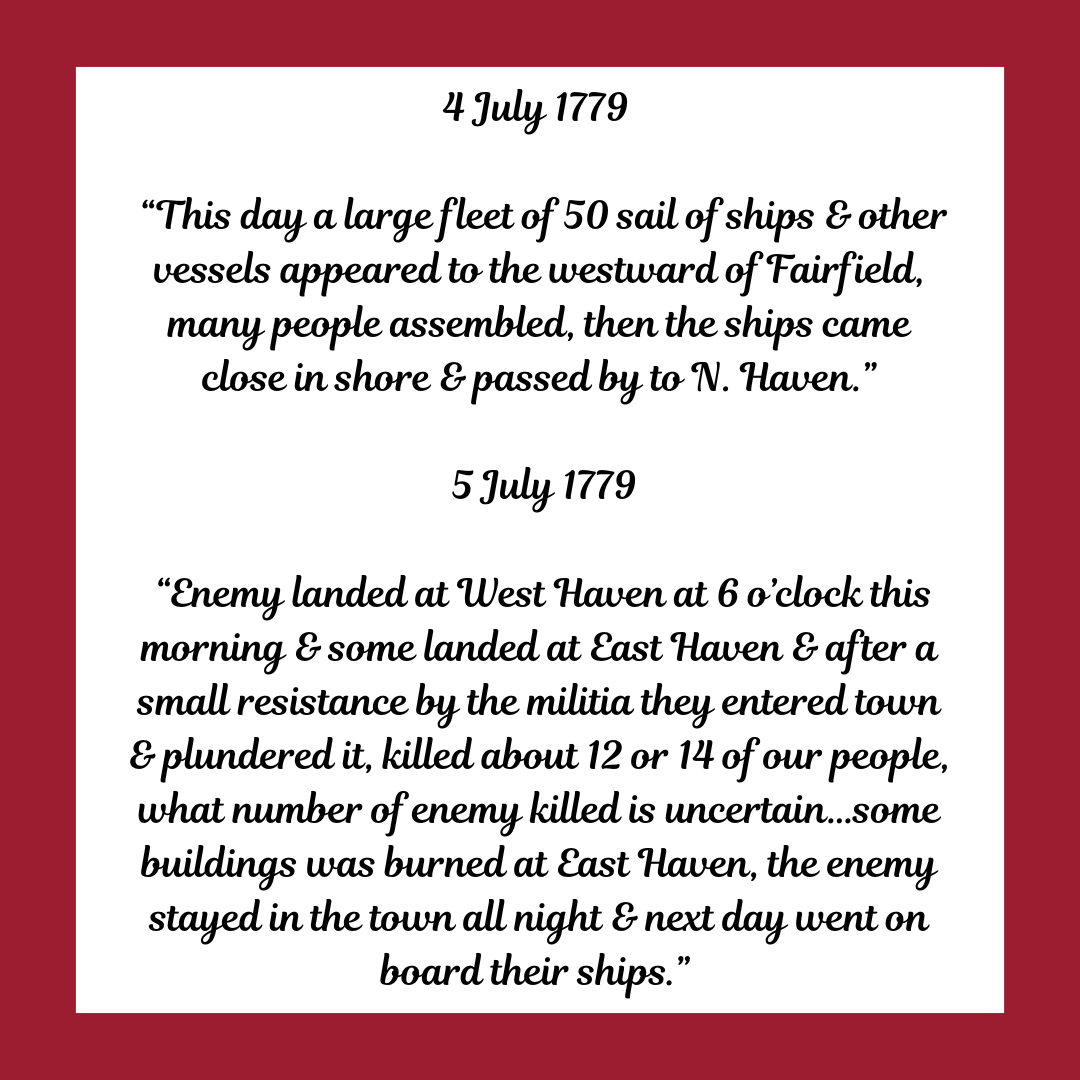
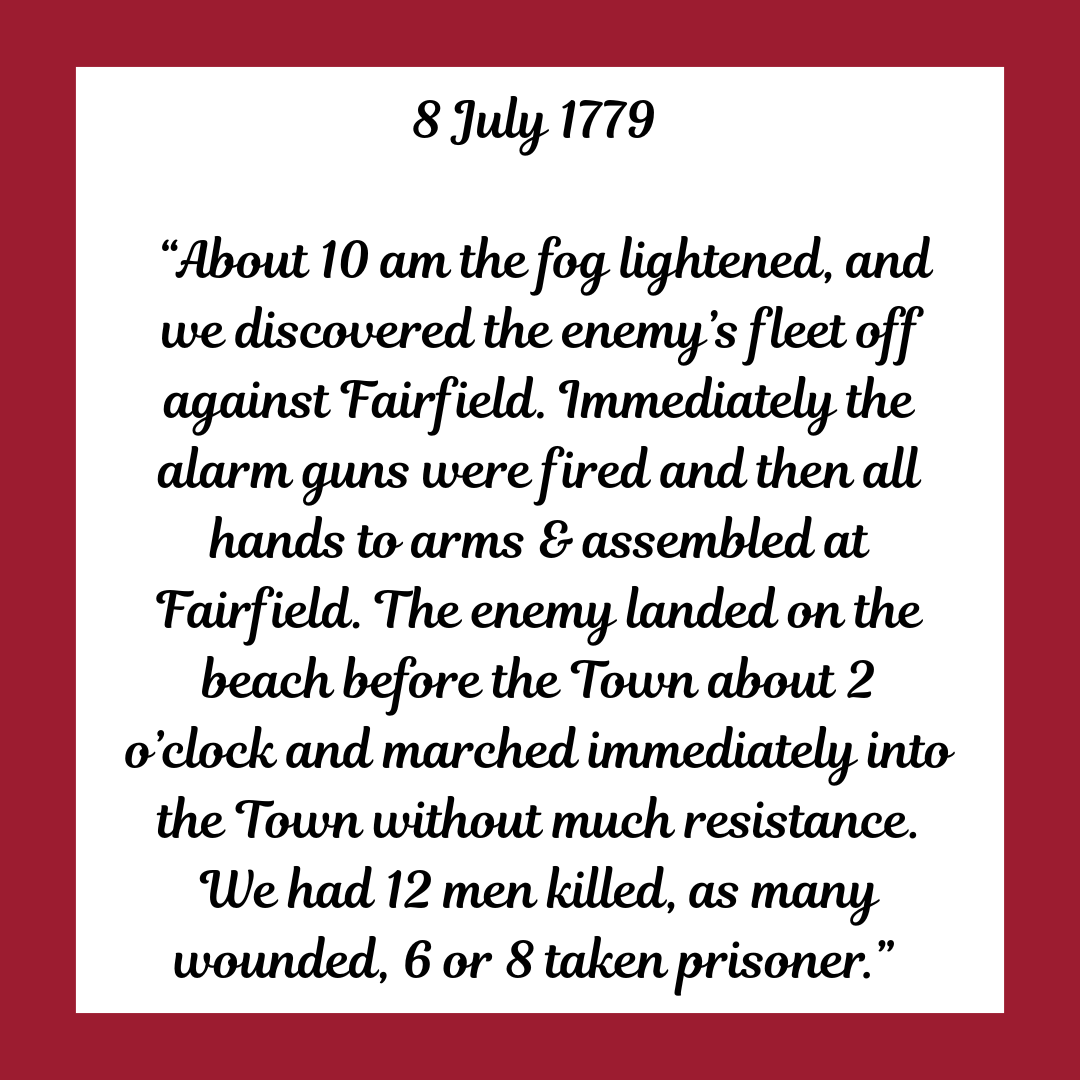
Knap further page of details indicates he was among the militia as they bravely repeatedly confronted British troops that afternoon but unable to prevent them setting the town afire. He also described skirmishes and more enemy fire-setting the next day before they sailed over to Huntington.
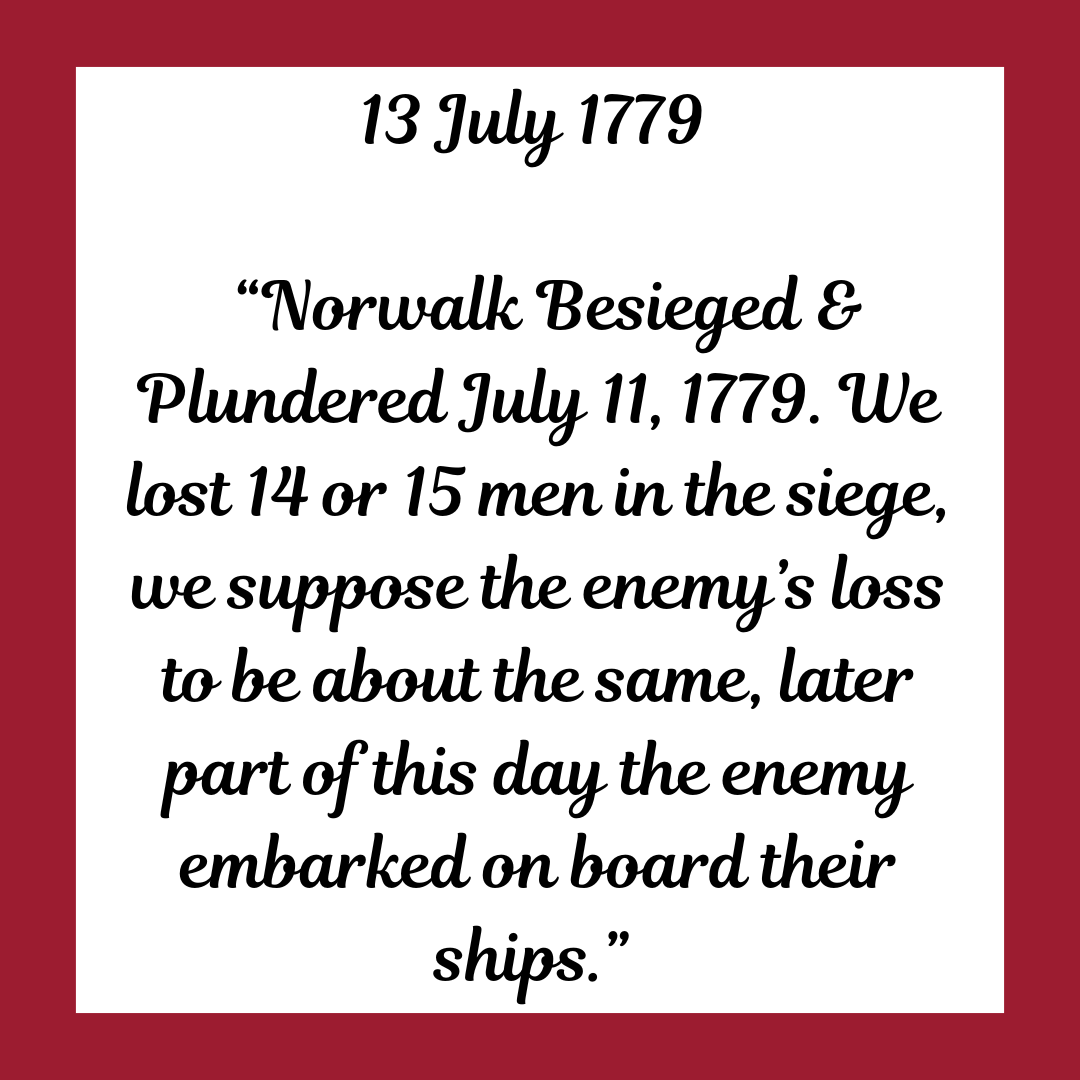
Stamford or Greenwich might have been the next burned-out town if the brutal expeditions leader, Maj. Gen. William Tryon, had not received orders from Gen. Sir Henry Clinton, commander of British forces, to desist and return to New York City. Clinton later demanded written explanation for the shocking and unauthorized destructions, but other than regret for burning of churches, Tryon merely described miliary maneuvers and concluded by blaming Rebels for bringing it on themselves by seeking independence.
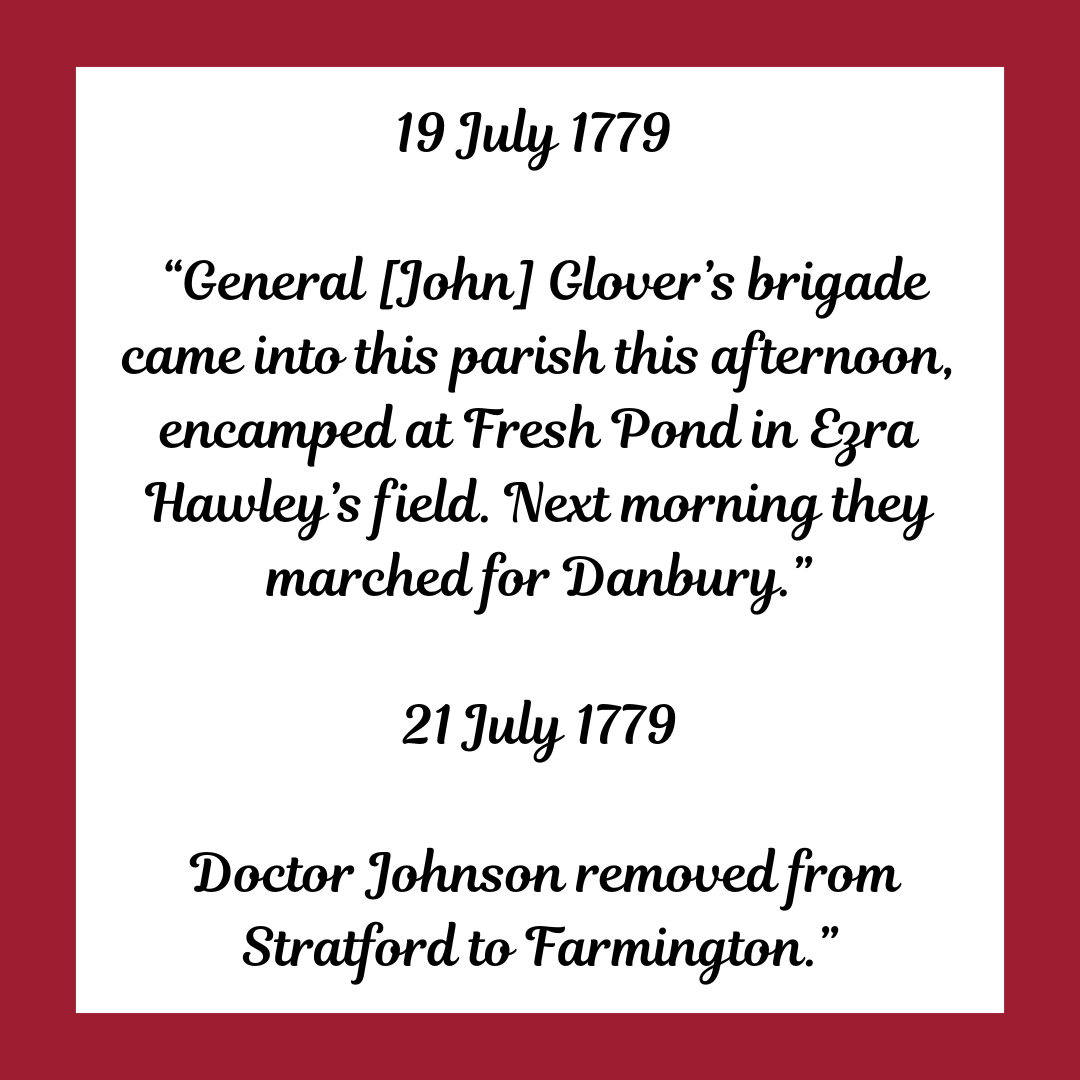
Apparent disconnects were Knap’s only reference to a dangerous treasonous plot. Fearing Stratford would be next after New Haven’s burning, some town officials urged William Johnson to contact long-time friend, General Tryon, to spare the town in return for residents’ sworn loyalty to Britian. Fortunately for Connecticut and Washington’s supply route, timely discovery foiled the plot. With Johnson arrested and other plotters named in a newspaper, Stratford hastened to reassure the public of its patriotism.
A tattered scrap of paper inserted into Knap’s journal expands the view of his official wartime activities. And for many of the nineteen guards receiving cartridges and flints, their name on that list is the only known evidence of their service in the Revolution.
Aside from allowing a modifier, Knap’s dramatic word choice likely points to his greater worries. With Washington’s troops fewer in number, poorly fed and clothed, hope for the Revolution’s progress was pinned on timely arrival of a fleet and thousands of troops from newly allied France. In Fairfield County, expectations of relief were low due to continual supply shortages for towns’ call-out-weary militiamen; increasing coastal raiding and hostage-taking in addition to growing fear that the all-but-impossible-to-defend Greenwich-western border area would finally slide into enemy hands. Compounding all was growing skepticism among towns’ officials regarding the State’s dedication to their defense.
By then, those Tory raiders, vessels, and accompanying whaleboats were under direction and support of the new Board of Directors of the Associated Loyalists created by Royal Command and organized by Benjamin Franklin’s Tory son, William. Raiders were paid for captures or hostages but usually kept plundered goods.
Writing this without a hint of personal reaction must have been difficult for Knap – especially when long-time neighbors, friends, and business associates were involved. Three days later when four of them ran away in the night, he merely listed names. He also withheld mention of the subsequent county-wide search for more miscreants.
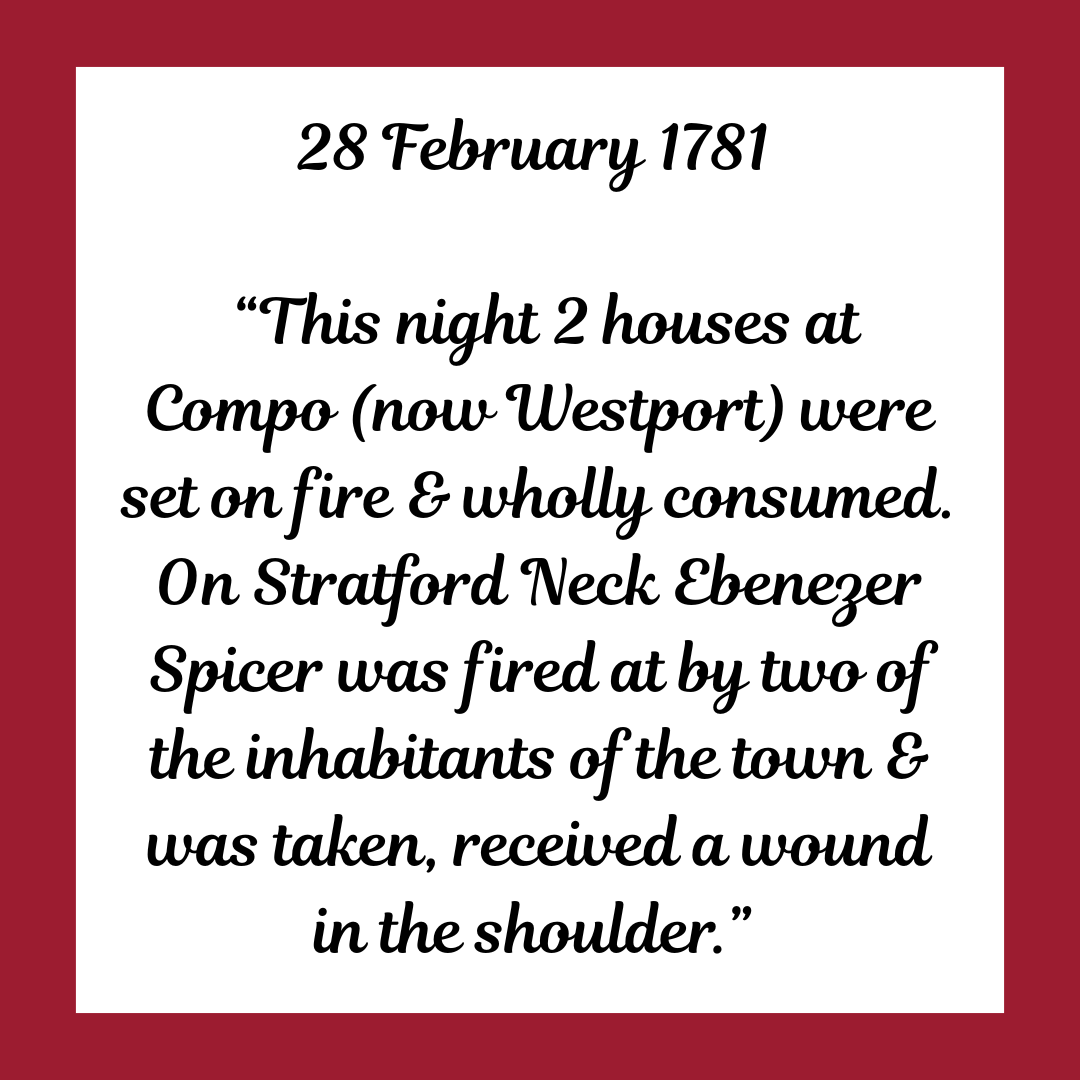
Tory raids were also underway that night further down the coast, all evidence of a new, more intense offensive under direction of Franklin’s new Loyalist Board.
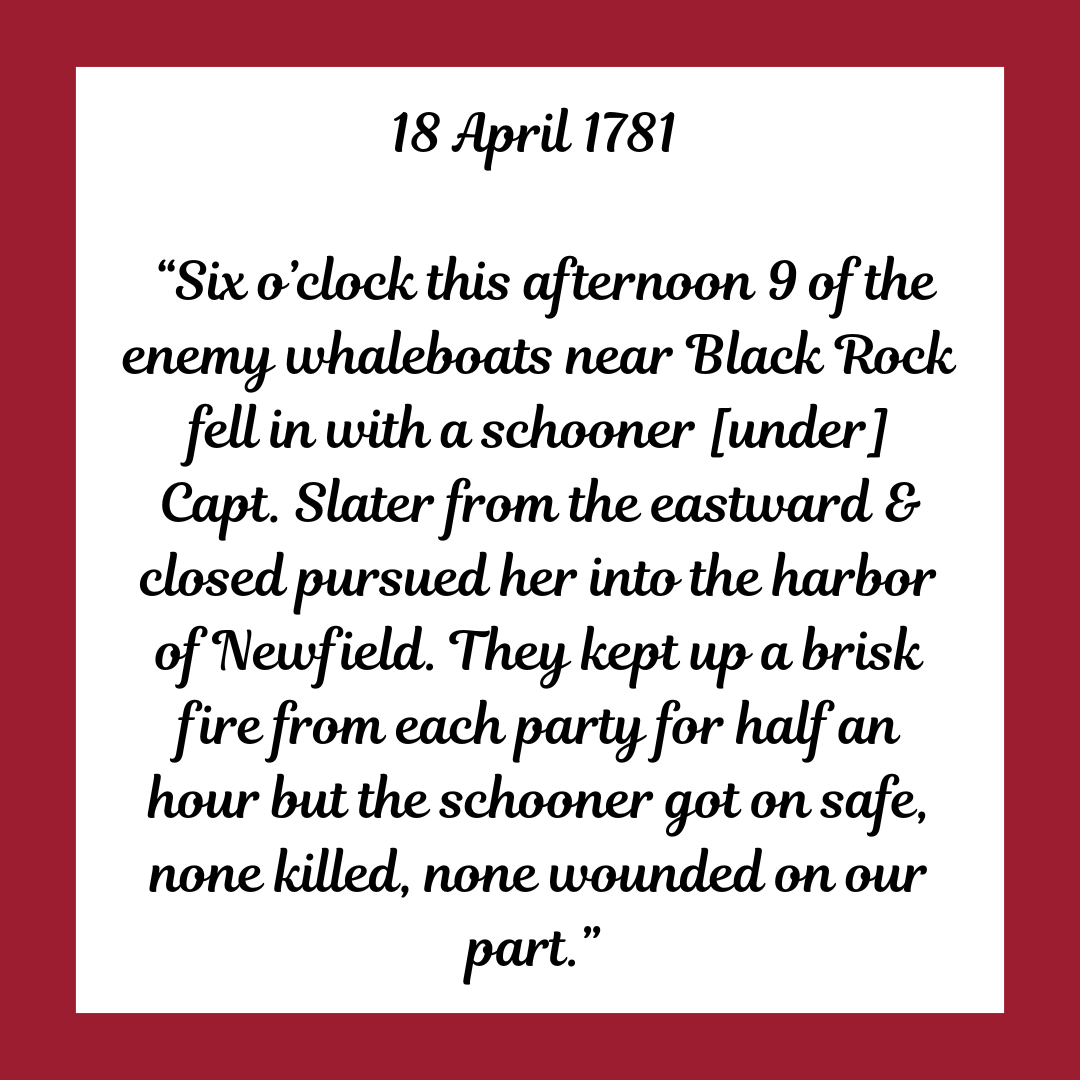
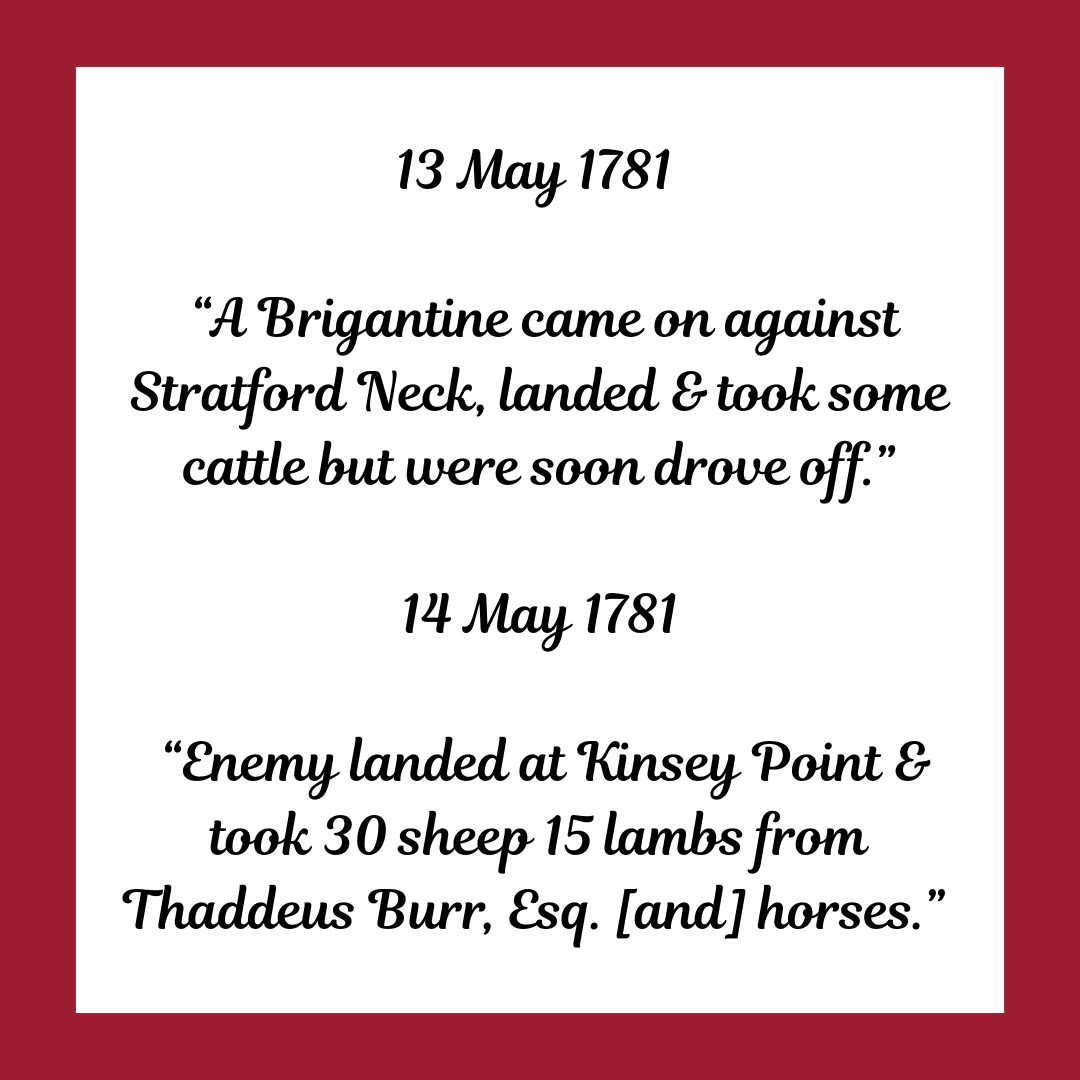
Tories concentrated their primarily night-time raiding on scarcely populated areas between the towns, thus making timely response by call-out militia all but hopeless.
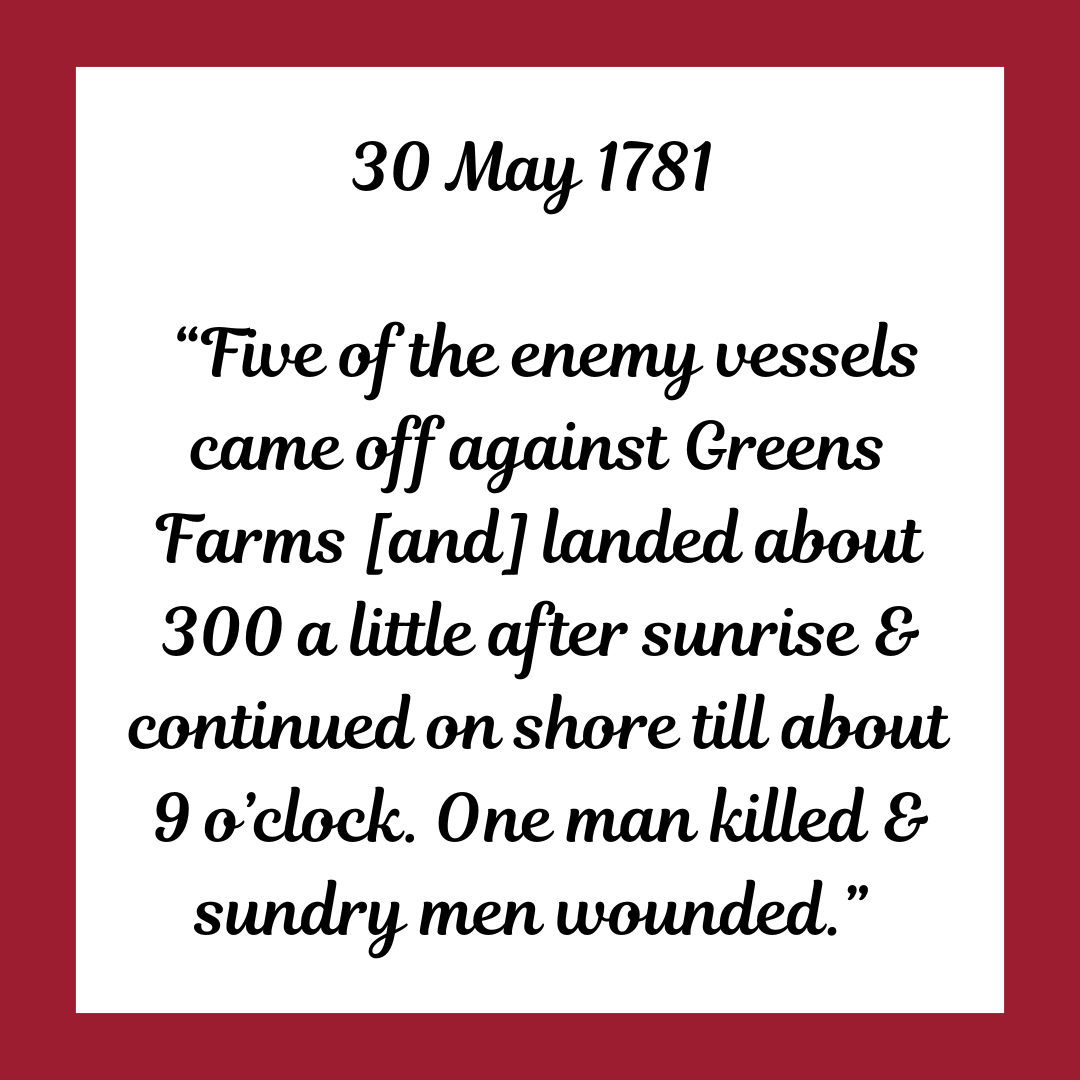
This time the enemy’s lingering made Rebel response more successful. Sixty Stamford militiamen arrived, bravely took on the raiders and, after wounding nine of their men (one fatally), finally drove the Tories back to their boats. When their leader had to explain such failure and loss to the Loyalist Board, he claimed the Rebels had a ‘superior force’.
General Washington no doubt shared Knap’s disgust at failure of yet another attempt to ‘clean out’ Lloyds Neck’s Tory’ strongholds. Opportunity and timing stymied previous efforts but this one was foiled by navigational error and missing equipment.
If details of that shameful raid had reached him by then, his reporting restrain was indeed admirable. Arnold’s excessively brutal raid was prompted by mere vindictiveness. And augmenting actions of his 1700 British troops were 100 Tories and their two, armed sloops which Arnold had gathered at Lloyd’s Neck early the previous morning.
Two days later Knap wrote the same for Fairfield but added, “a glorious victory.” Imagination stirs at the possibility such news might even have caused his abandoning apparent personal reserve to attend one of those bellringing, pot-banging, and musket-firing celebrations with teenage son, Lyman.
Behind those innocuous words regarding his runaway neighbor lies Fairfield County’s last unfortunate chapter in the Revolution – preventing return of the Tories. Retaliatory, so-called ‘Black Acts’ had been in effect since early 1780, but war’s ending brought change. While State government began moving toward leniency and forgiveness, fury took hold in its tail-end County. State actions eventually quelled protests and mobs, but such anger would last in varying intensity for generations, even into modern times.
Astonishingly, that was the first time Knap mentioned a Rebel whaleboat man and even referred to the so-called Whaleboat Warfare going on in the Sound since mid-1777. Naming a Tory raider such as Hoyt was also a first. Why lack of mention is puzzling. Aside from sensational newspaper coverage, Knap would have heard constant talk concerning Stratford, Fairfield, and numerous other County whaleboat men involved in coast-guarding, privateering, raids on enemy strongholds, rescuing hostages, and also misdeeds of some renegades among them.
Until signing of a Peace agreement officially ended hostilities, a few Lloyd’s Neck Tory vessels lingered in the Sound and continued secret contact with illegal suppliers on Connecticut’s shores. Accounts of the cleverness and bravery of Rebel privateer Hubbell and Captain, Caleb Brewster’s Continentals that day make exciting reading.